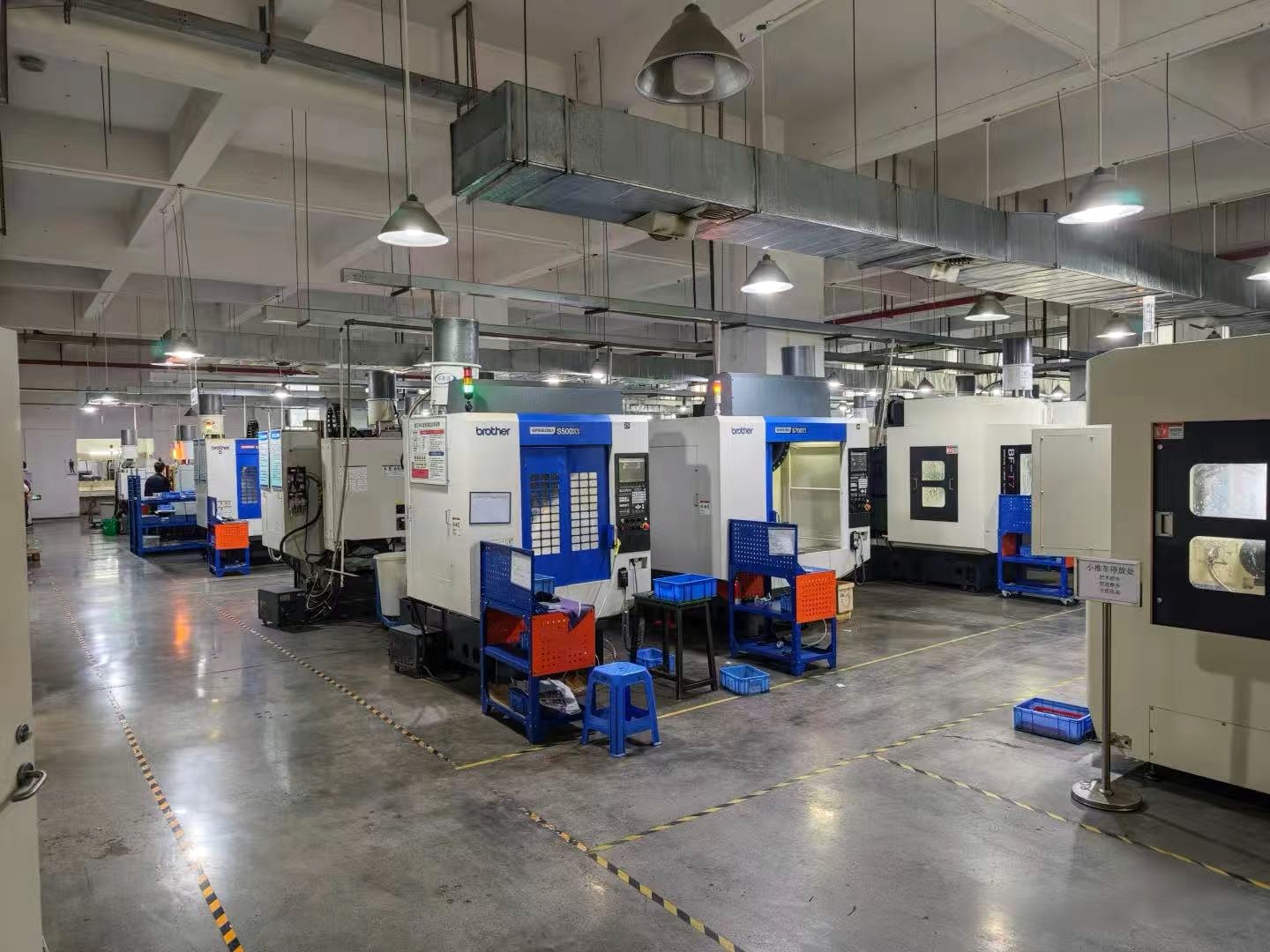
Tooling and product development
Who Pays for Tooling and Who Owns the Mold?
Paying the tooling invoice is important evidence, but ownership, custody, permitted use, and design rights still need to be stated separately.
The short answer
There is no universal rule that the party paying a tooling charge automatically owns every associated right. The buyer, supplier, or both may fund the tool. The commercial agreement should separately identify who owns the physical tool, where it will be kept, who may use or modify it, who owns the drawings and product IP, and how the tool will be released or transferred.
If a buyer pays the full separately itemised cost of a dedicated custom mold, buyer ownership is a reasonable commercial position to request. It should still be recorded in the purchase documents and tooling agreement instead of being inferred from the invoice alone. Supplier-financed, amortised, shared, and standard-tooling arrangements can produce different outcomes.
This guide provides general commercial information, not legal advice. Contract enforceability, liens, remedies, and IP ownership depend on the documents, facts, and applicable law. Use qualified counsel for material tooling or product-IP exposure.
First define what the tooling charge covers
"Mold fee" is often used loosely. Tooling can include an injection mold, casting die, extrusion die, cutting die, print plate, jig, fixture, gauge, welding fixture, test fixture, pattern, or other production aid. A tool may also include replaceable inserts, spare components, hot-runner parts, programs, drawings, and maintenance records.
Not every custom product needs a production mold. A prototype can be machined, 3D printed, hand-finished, or made with temporary tooling. Before paying, ask whether the quote is for prototype tooling, bridge tooling, or the intended production tool, and what output, material, process, cavities, tolerance, and expected service life it is designed for.
When the project is still at sample stage, use the questions in How Much Do Product Samples from China Cost and How Long Do They Take? to separate sample-making, setup, tooling, testing, revisions, and delivery.
Five common ways tooling is funded
The payment model is a starting point for negotiation. It does not, by itself, answer every ownership or use question.
| Commercial model | Who funds it | What must be clarified |
|---|---|---|
| Separate buyer-paid tooling | The buyer pays an itemised tooling price, usually by milestones | When title passes, whether the price is full cost, permitted use, tool marking, custody, maintenance, and release |
| Supplier-financed tooling | The supplier funds the initial tool | Whether the supplier owns it, whether use is exclusive, how cost is recovered, and whether the buyer has a buyout option |
| Amortised tooling | The cost is recovered through unit price, minimum purchases, or a later charge | The recovery calculation, trigger for title transfer, shortfall payment, audit evidence, and what happens if orders stop |
| Shared-cost tooling | Buyer and supplier each pay a stated share | Whether ownership is joint, proportional, transferred after a milestone, or retained by one party with defined rights for the other |
| Supplier-owned standard tooling | The supplier already owns a standard mold or production platform | What is standard versus custom, whether custom inserts are separate, and whether the buyer receives any exclusive use or transfer right |
A tooling charge may also be described as refundable or creditable after a certain order volume. Write down the exact threshold, calculation, timing, exclusions, and whether the credit changes physical ownership. A credit promise and an ownership transfer are not the same promise.
Separate four rights that are often mixed together
| Issue | The practical question | Useful written evidence |
|---|---|---|
| Physical ownership | Who owns the mold, die, jig, insert, and spare parts? | Tooling agreement, purchase order, invoice, payment record, title-transfer clause, tool register, and identifying photos |
| Custody and possession | Where is the tool, who controls access, and who bears loss, damage, storage, and maintenance risk? | Named facility and toolmaker, storage terms, maintenance log, inspection rights, risk allocation, and inventory confirmation |
| Permitted use | Can the supplier use it for another customer, subcontract it, copy it, modify it, or make excess units? | Exclusive-use restriction, approved products and sites, subcontractor controls, modification approval, confidentiality, and remedies |
| Design and IP rights | Who owns product drawings, CAD files, programs, know-how, improvements, and newly created design work? | Background-IP list, project deliverables, assignment or licence terms, improvement ownership, access rights, and file-return obligations |
Owning a physical mold does not automatically establish ownership of a product design, CAD file, manufacturing know-how, patent, copyright, or supplier background technology. The reverse is also true: owning a design does not mean you possess a compatible production tool.
WIPO's current guidance recommends that supplier agreements distinguish pre-existing background IP from newly created foreground IP and define access, permitted use, confidentiality, termination, and return of physical or digital materials. The European Commission's China IP SME Helpdesk likewise advises companies to state clearly who owns supplied IP and project-related designs, drawings, discoveries, and improvements.
Before paying a tooling deposit
Also verify the supplier's legal and operating role before placing expensive tooling. A trading company may legitimately manage tooling, but the agreement should disclose the actual toolmaker and production location where appropriate. Start with How to Verify a Chinese Supplier and How to Tell If an Alibaba Supplier Is a Real Factory.
Build a tooling schedule, not a one-line note
The commercial contract or a dedicated schedule should identify the tool well enough that another person can distinguish it from every other tool at the facility. For material projects, consider including:
- Tool identity: project name, tool number, product, component, cavity count, inserts, drawing and revision, photographs, and physical markings.
- Parties and locations: buyer, contracting supplier, actual toolmaker, production site, and approved storage site.
- Price and payment: full cost, deposit, milestone evidence, tax or invoice treatment, acceptance balance, credits, and buyout formula if relevant.
- Title: the owner, the moment title transfers, and any conditions that remain after payment.
- Use controls: approved product and site, exclusivity, no third-party use, no unauthorised production, copying, relocation, or modification.
- Acceptance: trial criteria, sample approval, dimensions, function, cosmetic standard, output assumptions, and correction responsibilities.
- Custody: storage, marking, maintenance, repair approval, records, risk of loss, access, and periodic inventory confirmation.
- IP and files: background IP, newly created drawings and programs, licence or assignment terms, confidentiality, improvements, and file delivery.
- Release: events that trigger release, notice, timeline, condition report, packing, freight, unpaid approved charges, and handover documents.
- End of life: inactivity period, renewal notice, disposal approval, return, archiving, and destruction evidence.
Questions to send with every tooling quote
- Is this prototype, bridge, or production tooling?
- What exact mold, die, inserts, fixtures, programs, and drawings are included?
- Who will design and make the tool, and at which legal entity and physical location?
- Who owns the physical tool during development, after acceptance, and after full payment?
- May it be used for any other customer, product, site, subcontractor, or excess production?
- How will the tool be permanently identified as belonging to the agreed owner?
- What evidence is provided at each payment milestone?
- Who owns or may use the drawings, CAD files, programs, process know-how, and later improvements?
- What maintenance is included, what is the expected service life, and how are shots or cycles recorded?
- What is the release process, timeline, condition standard, packing method, and transfer cost?
Send the same question set to each supplier. This makes tooling quotes more comparable and exposes whether a low quotation excludes inserts, engineering, trials, maintenance, or release obligations.
Ownership does not guarantee an easy factory transfer
A buyer-owned mold can still be difficult or expensive to move. The receiving factory may use different machines, clamping, interfaces, hot-runner controls, materials, process settings, or quality systems. The tool may need inspection, repair, modification, validation, or new trial samples before production.
- Confirm the contractual release route: check title, unpaid approved charges, notice, timing, and named release conditions.
- Identify and inspect the exact tool: match markings, photographs, drawings, inserts, spare parts, cycle count, and maintenance records.
- Check compatibility before pickup: have the receiving manufacturer review machine and interface requirements.
- Document condition: record appearance, rust protection, missing parts, recent samples, and known defects before packing.
- Plan controlled transport: agree disconnection, preservation, packing, lifting, freight, insurance, customs if applicable, and receipt.
- Run acceptance at the new site: trial the tool and approve samples before assuming normal production can resume.
Do not threaten or arrange a surprise pickup without checking the contract and local legal position. For disputed or high-value tooling, obtain jurisdiction-specific legal advice before acting.
Common tooling risks
- One-line ownership language: the purchase order says "buyer mold" but does not identify the tool or cover possession, use, files, maintenance, and release.
- Payment to the wrong entity: the contracted supplier, invoice issuer, toolmaker, and tool-holding factory do not match and their responsibilities are not documented.
- Standard tool presented as custom: the buyer pays a tooling charge but receives no dedicated or transferable asset.
- Unmarked tool: there is no permanent ID, photo register, or location record to establish which physical item is involved.
- Exclusivity assumed: the supplier is not expressly restricted from third-party use, copying, excess production, or unapproved subcontracting.
- IP mixed with hardware: physical mold ownership is used as a substitute for written rights to CAD files, drawings, software, or improvements.
- Transfer planned too late: compatibility, condition, release charges, records, packing, and trial production are considered only after the relationship breaks down.
- MOQ pressure hidden in tooling: the supplier spreads tooling recovery into unit price or minimum volume without showing the calculation. Review the China MOQ Guide for Small Brands when comparing the commercial structure.
Frequently asked questions
If I pay the full mold fee, do I automatically own the mold?
Full payment is important evidence, especially for a separately itemised dedicated tool, but it should not be the only evidence. Record ownership, title-transfer timing, identity, custody, permitted use, files, maintenance, and release in writing. Applicable law and the complete documents still matter.
Can the supplier keep using a buyer-owned mold?
Do not rely on the ownership label alone. State whether use is exclusive, which products and sites are permitted, whether subcontractors may have access, and whether copying, modification, excess production, or third-party use is prohibited.
Is owning the mold the same as owning the product design?
No. Physical tooling, drawings, CAD files, software, product design, patents, copyright, know-how, and supplier background technology can carry different rights. Address each relevant item expressly.
Can amortised tooling become buyer-owned?
Yes, if the parties agree. Define the recovery amount, unit calculation, order threshold, evidence, title-transfer trigger, any shortfall buyout, and what happens if the project stops before the threshold.
Should a buyer-owned mold be shipped to the buyer?
Not necessarily. It can remain at an approved production facility under documented custody. Storage may be more practical than moving it, provided identity, access, use, maintenance, risk, release, and periodic confirmation are controlled.
Does "exclusive use" mean the buyer owns the tool?
No. A supplier-owned tool can be reserved for one buyer under a licence or commercial restriction, while a buyer-owned tool can still be held by a supplier. State ownership and permitted use separately.
Sources and further reading
- WIPO: IP Agreements with Suppliers - What Ventures Need to Know
- WIPO Guide to Trade Secrets and Innovation: Trade Secret Management
- European Commission China IP SME Helpdesk: Managing IP in China
- European Commission China IP SME Helpdesk: IP Protection When Working with OEMs in China
- Harris Sliwoski: China Manufacturing Contracts - When One Agreement Is Not Enough
Sources explain general IP and manufacturing-contract principles. They do not determine the outcome of a specific dispute or replace advice on the law governing your agreement.
Planning custom tooling?
Clarify the supplier-side questions before the deposit.
Share the product stage, supplier quote, expected volume, and open tooling questions. Linkbase can help organise the commercial questions and compare suppliers' written responses.