Supplier due diligence
How to Verify a China Supplier Before Paying a Deposit
A supplier is not verified by one badge, one video call, or one good sample. Confidence comes from several checks that support the same story.
The short answer
To verify a China supplier, confirm five things independently: the legal company you are contracting with, its actual role in production, its capability for your specific product, the consistency of its commercial information, and its ability to reproduce an approved sample during production.
No single document proves all five. A Chinese business licence confirms registration information; it does not by itself prove that the company owns a factory, can meet your specification, or will manage production well.
1. Define what the supplier must be capable of
Verification only makes sense against a clear requirement. A supplier can be legitimate and experienced, yet still be wrong for your product, order size, material, finishing process, packaging, or target market.
Before comparing suppliers, issue the same compact brief to each one. Include:
- Product reference, drawing, photo, or functional description
- Material and finish requirements that are already known
- Estimated order quantity and number of variants
- Branding and packaging requirements
- Destination market and any known compliance needs
- Questions about samples, tooling, lead time, and payment terms
2. Verify the Chinese legal entity
Ask for the supplier's Chinese company name and Unified Social Credit Code, normally shown on its Chinese business licence. Search the entity in China's official National Enterprise Credit Information Publicity System and compare the result with the supplier's documents.
Look for consistency across the business licence, quotation, contract, invoice, beneficiary bank account, and email signature. The English trading name may differ from the registered Chinese name, so ask the supplier to explain the relationship rather than assuming a mismatch is fraud.
What the registration check can tell you
- Whether the legal entity appears in the official registry
- Its registration status and registered address
- The registered legal representative and business scope
- Whether the identity on the proposed contract is consistent
What it cannot tell you
- Whether the supplier has the machinery shown in its marketing
- Whether it controls all important production processes
- Whether its quality system works for your product
- Whether it will deliver your order to specification
3. Confirm what the supplier actually does
Factory, trading company, and sourcing partner are operating roles, not automatic quality grades. A factory may outsource specialist processes. A trading company may offer strong category knowledge and access to several factories. What matters is understanding who controls each critical step.
Ask specific process questions:
- Which production steps are completed at this facility?
- Which steps are subcontracted, and to whom?
- Who purchases the main material or components?
- Who approves the production sample and manages changes?
- Where will final assembly, packing, and inspection occur?
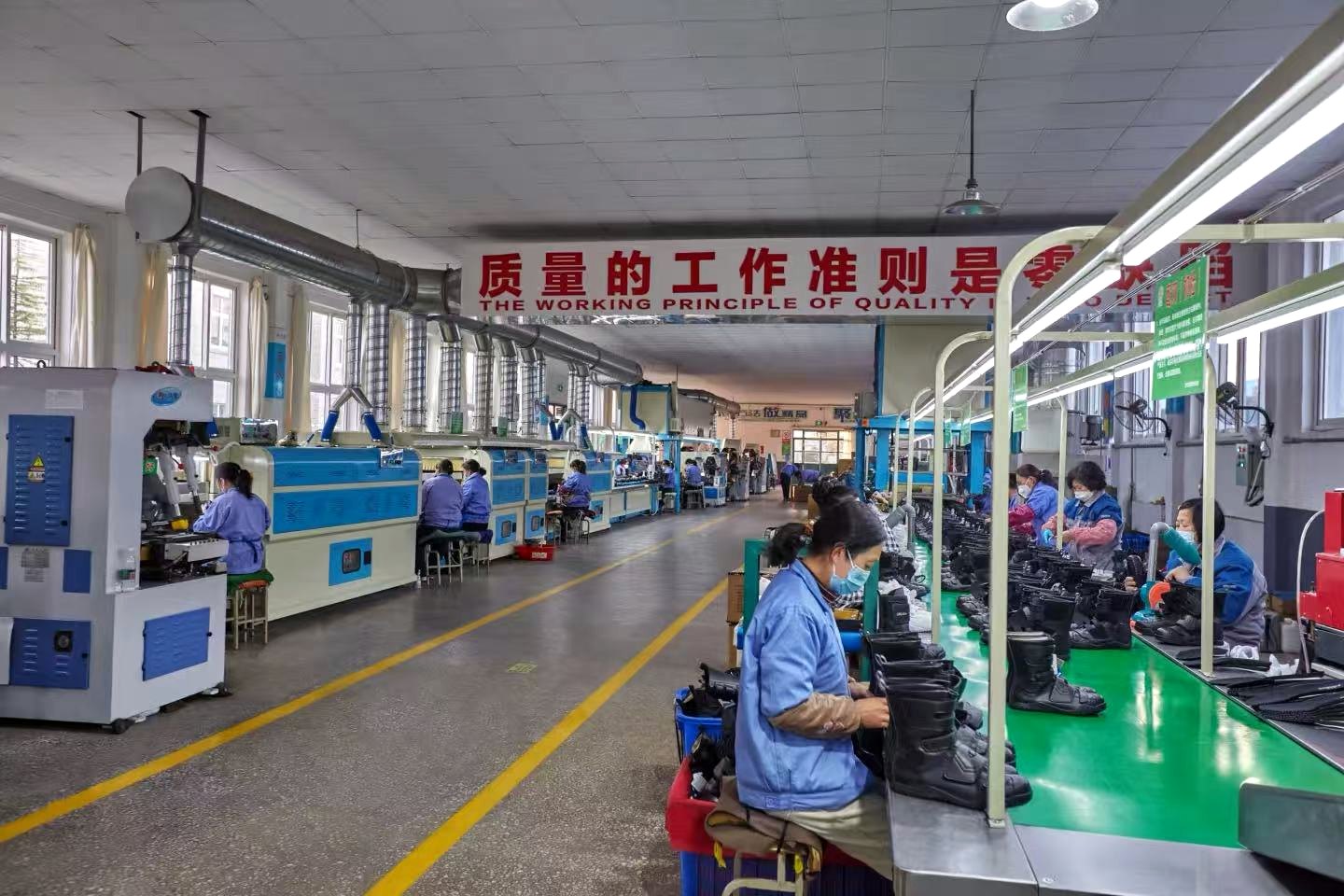
Request current photos or a live video focused on the relevant process, not only the reception area or showroom. For higher-risk projects, consider an independent on-site audit matched to the product and order value.
4. Use the quotation to test commercial clarity
Send the same request to a small comparison set, often three to five plausible suppliers. The goal is not simply to find the lowest price. It is to expose assumptions and see which supplier can explain its offer clearly.
| Check | What should be clear | Why it matters |
|---|---|---|
| Product specification | Material, dimensions, finish, tolerances, included parts | Prevents unlike-for-like quote errors |
| MOQ | Per order, model, colour, size, component, or packaging type | Reveals hidden minimums |
| Tooling | Cost, ownership, expected life, and change policy | Clarifies long-term control |
| Sample | Type, cost, timing, freight, and what production method it represents | Sets realistic expectations |
| Terms | Incoterm, payment schedule, lead-time starting point, quote validity | Makes total offers comparable |
Very fast answers are not automatically better. A capable supplier may need to clarify the brief before quoting accurately. Look for relevant questions, explicit assumptions, and stable information across revisions.
5. Treat the sample as a controlled reference
A good sample is evidence about one sample. It is not yet proof of repeatable production. Confirm whether it was made using the intended production process and materials, especially when tooling or custom components are involved.
- Record the sample version and all requested changes.
- Check dimensions, function, appearance, materials, labelling, and packaging against the brief.
- Approve the final reference in writing.
- Keep one approved sample and ask the supplier to retain a matching reference.
- Translate the important attributes into measurable production criteria.
If testing or certification is required for the destination market, define who is responsible and verify the scope. Compliance obligations depend on the product and market; the UK government's product safety guidance for businesses is one useful starting point for UK-bound goods.
6. Check the contract and payment path before paying
The contracting party and beneficiary account should make commercial sense together. If payment is requested to another company or a personal account, pause and obtain a documented explanation. Independently confirm any last-minute beneficiary change through a known contact channel.
Before a deposit leaves your account
7. Decide how production will be followed
Verification should continue after supplier selection. Before production begins, agree on the approved sample, specification version, critical checkpoints, change process, and the inspection or acceptance plan.
The appropriate level of follow-through depends on the product, customization, order value, and consequences of failure. It might include pre-production confirmation, progress photos, staged checks, an independent pre-shipment inspection, or product-specific testing. The plan should be decided before problems appear.
Supplier red flags worth pausing for
- The supplier avoids providing its Chinese legal company name.
- Key facts change between the quotation, contract, and invoice.
- A deposit is pushed before the specification or sample status is clear.
- Lead times or technical claims are unusually confident without supporting questions.
- The beneficiary changes at the last minute or does not match the commercial arrangement.
- Factory footage never shows the process relevant to your product.
- The supplier resists recording agreed changes in writing.
A red flag is a reason to investigate, not always proof of misconduct. What matters is whether the explanation can be verified and documented.
Frequently asked questions
Is a marketplace badge enough to verify a supplier?
No. A platform badge can be one input, but you still need to verify the legal counterparty, product capability, quotation, sample, payment path, and production plan. Alibaba's own Verified Supplier overview explains the scope of its program; buyers should still conduct project-specific checks.
Is buying directly from a factory always safer?
No. Direct factory access can be useful when the product, volume, and process fit that factory. A competent trader or sourcing partner may be more suitable for mixed products, lower volumes, or projects involving several processes. Verify the actual role and incentives.
Does a successful sample guarantee production quality?
No. The sample establishes a reference. Repeatability depends on controlled materials, processes, written tolerances, change management, and production checks.
Where else can an overseas buyer learn about due diligence?
The U.S. International Trade Administration publishes a general guide on how to perform due diligence. Apply any general advice to the product, market, and transaction at hand.
Official resources referenced
- China's National Enterprise Credit Information Publicity System
- U.S. International Trade Administration: Perform Due Diligence
- UK Government: Product safety advice for businesses
- Alibaba.com: Verified Supplier program overview
This guide is general sourcing information, not legal, tax, compliance, or financial advice. Requirements vary by product and destination market.