Choosing a sourcing model
Sourcing Agent vs Factory vs Trading Company in China
The right route depends on your product, volume, internal resources, and the coordination the project actually needs.
The short answer
Choose a factory directly when one capable manufacturer clearly fits the product and you can manage the work. Choose a trading company when its product access, consolidation, or category knowledge adds value. Choose a sourcing agent or partner when you need independent search, comparison, local communication, and coordination across suppliers or development stages.
The labels can overlap. Some factories export through related companies. Some trading companies participate deeply in product development. Some sourcing agents also earn supplier-side margin. Verify the actual legal counterparty, responsibilities, and payment incentives instead of choosing by label alone.
What the three roles usually mean
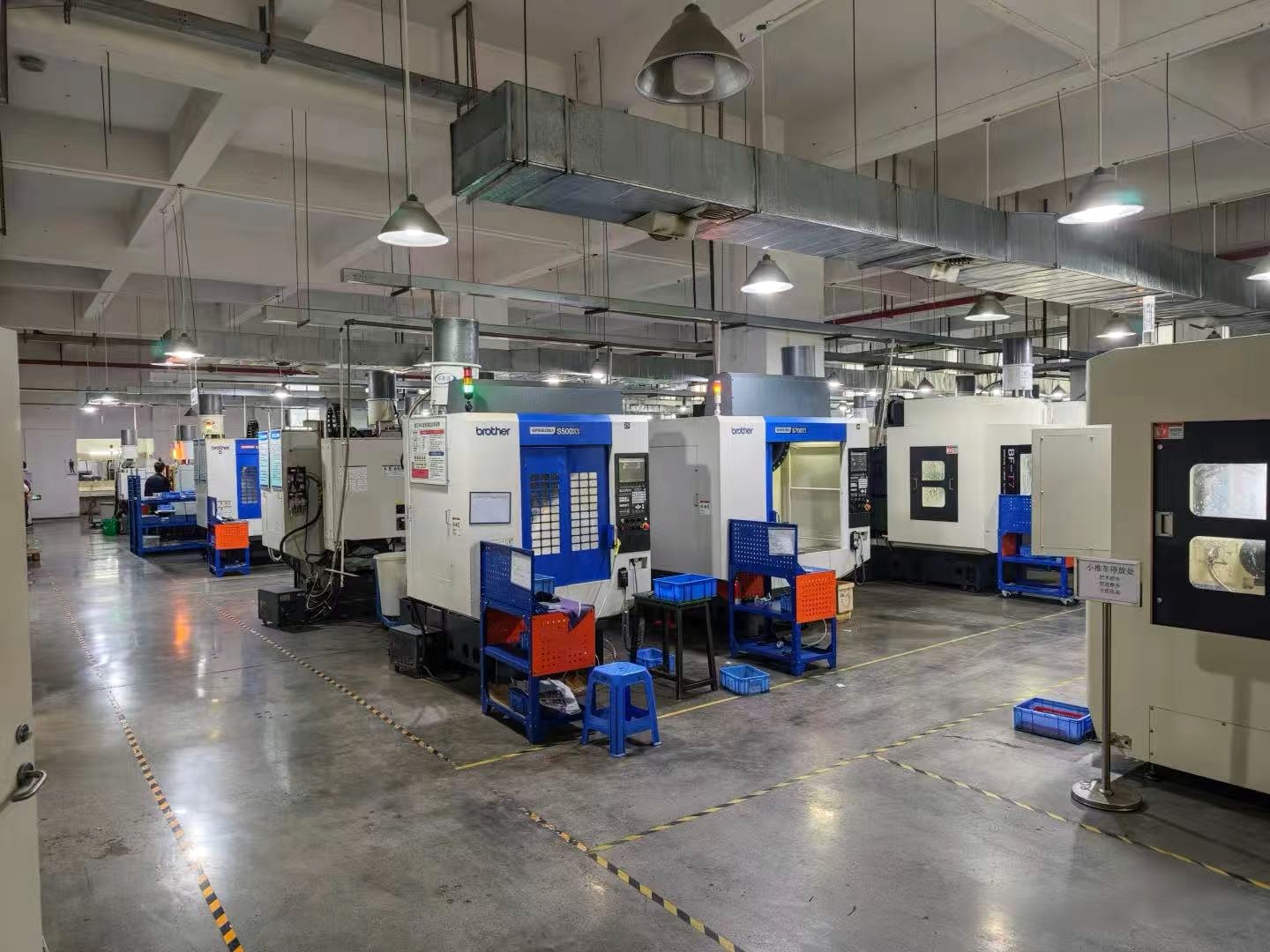
Factory
A factory makes at least a material part of the product. It may still buy components and subcontract specialist processes such as plating, printing, heat treatment, or packaging.
Trading company
A trading company buys from one or more manufacturers and sells to the customer. It may maintain a catalogue, provide export communication, combine products, develop packaging, and coordinate production through its supplier network.
Sourcing agent or sourcing partner
A sourcing provider works on the buyer's side to identify suppliers, gather and compare information, coordinate samples, clarify issues, and follow agreed next steps. Scope varies widely, so the commercial model and responsibilities must be explicit.
Factory, trading company, and sourcing partner compared
| Consideration | Factory direct | Trading company | Sourcing partner |
|---|---|---|---|
| Primary role | Manufactures the product | Buys and resells products | Represents or supports the buyer's sourcing work |
| Product range | Usually tied to its processes | Can span several factories | Can search across suppliers and categories |
| Communication | Varies by export team | Often export-oriented | Focused on translating needs and supplier replies |
| Pricing visibility | Direct quote, but not automatically lowest | Margin usually embedded in price | Fee, commission, or margin should be disclosed |
| Mixed orders | Limited to its own range | May consolidate related products | Can coordinate multiple suppliers if in scope |
| Product development | Strong when the design fits its process | Depends on technical depth and supplier access | Useful when requirements and supplier options need coordination |
| Buyer workload | Usually highest | Moderate | Lower when scope and reporting are clear |
These are typical patterns, not guarantees. A strong company in one category can outperform a weak company carrying a more attractive label.
When buying directly from a factory makes sense
Factory-direct sourcing often works well when the product is technically settled, volumes fit the production economics, and the buyer can manage specifications, samples, commercial terms, and production communication.
Good signs
- The supplier's main processes match the product.
- The order volume is meaningful for its production line.
- You have a clear specification and can evaluate technical replies.
- One supplier can own most of the relevant manufacturing work.
- Your team has time to manage follow-up and changes.
Possible limitations
A factory may have little incentive to search for alternatives outside its own process, compare its quotation with competitors, or coordinate products it does not make. Smaller orders may also receive less attention when capacity is tight.
When a trading company can be the practical option
A trading company can add real value when its supplier network, product knowledge, export communication, or consolidation ability solves a problem the buyer would otherwise manage alone.
- You need several related products rather than one factory's range.
- The trader can access lower-volume options across its supplier base.
- The category depends on assembly or coordination across specialist suppliers.
- You value one export contact and one commercial transaction.
- The trader can explain which processes and suppliers are involved.
The embedded margin is not automatically waste. Compare the total value, risk, and workload, not only the quoted unit price. At the same time, verify who is responsible for specifications, quality, changes, and claims about the underlying factory.
When a sourcing agent or partner adds value
A sourcing partner is most useful when the buyer needs an independent comparison process or local coordination, not simply an introduction to a supplier.
- The product brief still needs to become supplier-ready.
- You want several suppliers searched and compared on the same basis.
- Supplier replies are difficult to interpret or keep consistent.
- Samples, packaging, components, or changes involve repeated follow-up.
- Your project spans more than one supplier or production process.
- You need China-side communication but are not building an internal sourcing team.
The most important question is alignment. Ask how the sourcing provider is paid, whether supplier commissions or margins are involved, what is included in the scope, and how supplier information and decisions will be reported.
Questions to ask any sourcing counterparty
- Who is the legal contracting entity? Confirm the Chinese company name and the party receiving payment.
- Which work is performed in-house? Ask specifically about the processes relevant to your product.
- What is subcontracted? Understand where control changes hands.
- How are you paid? Ask about fees, embedded margin, supplier commission, and one-off charges.
- Who owns tooling and approved specifications? Record ownership and access.
- Who handles changes and quality issues? Define responsibility before production.
- What information will I receive? Agree on quotations, comparison format, sample records, and updates.
For a deeper counterparty check, use the China supplier verification guide.
A simple decision framework
Start with the project
How settled is the specification? How many suppliers and processes are involved?
Assess your team
Can you compare quotes, evaluate samples, and follow production directly?
Map the incentives
Who earns from the transaction, and what decisions might that influence?
Compare total cost
Include coordination time, sample rounds, freight fragmentation, rework risk, and service fees.
Rule of thumb: use the simplest sourcing model that can manage the actual complexity of the project. Adding an intermediary without a clear job creates cost; removing needed coordination creates hidden work and risk.
Frequently asked questions
Is a trading company always more expensive than a factory?
Not necessarily. A trader usually earns a margin, but factory pricing varies with volume, product fit, capacity, export overhead, and purchased components. Compare like-for-like specifications and total landed economics.
Can a sourcing agent guarantee supplier quality?
No credible sourcing provider can remove all manufacturing risk. It can improve the search, clarification, comparison, sample, and follow-up process. Quality still depends on clear requirements, capable production, and appropriate checks.
Should the sourcing provider reveal the factory?
This depends on the agreed commercial model, but it should be clear before work begins. Ask what supplier information will be shared, who signs contracts, and how payments flow.
Can one project use more than one model?
Yes. A buyer might work directly with a core factory, use a trading company for complementary products, and engage a sourcing partner for search or coordination. Keep responsibilities and commercial relationships visible.
Related Linkbase services
- Supplier discovery and comparison
- Product development and sample coordination
- China-side project coordination
This guide describes common commercial roles. Actual structures, responsibilities, and legal relationships vary by company and project.