Supplier checks and quality assurance
Supplier Audit vs Product Inspection vs Product Testing
Know whether you are evaluating a supplier, checking an order, or measuring a product characteristic before choosing the next quality check.
The short answer
A supplier audit evaluates the supplier and its processes; a product inspection checks an identifiable order or batch; product testing measures specified characteristics of identified samples using defined methods. They answer different questions. A good factory audit does not approve your shipment, and an inspection pass does not establish that every necessary laboratory test has been completed.
Start with the uncertainty you need to resolve: supplier capability, order conformity, or a material, performance, or safety characteristic. Then define the scope, reference documents, timing, sample identity, and decision the report must support.
The boundaries can overlap. Inspectors may perform agreed on-site functional checks, while laboratories may examine individual components. The name of the service matters less than what was actually checked, how, and against which requirements.
Audit, inspection, and testing compared
| Question | Supplier audit | Product inspection | Product testing |
|---|---|---|---|
| Main subject | A named company, facility, process, or management system | A specific order, production stage, or lot | Identified product, component, or material samples |
| Typical question | Can this site carry out the work and control the relevant process? | Do the checked goods match our agreed order requirements? | Do the samples meet the specified method and acceptance criteria? |
| Typical evidence | Facility observations, records, interviews, findings, and corrective actions | Sampling details, measurements, defect counts, photos, and packing checks | Sample identification, test methods, conditions, results, and stated conclusions |
| Useful timing | Before a significant commitment or when capability needs reassessment | Before, during, or after production, depending on the risk | During development and at later stages when the testing plan requires it |
| Important limit | Does not prove that a later production lot will conform | A sample-based check does not examine every unit or every hidden property | Does not automatically cover other models, materials, batches, or future production |
These are practical sourcing distinctions, not a promise that every provider uses identical service names. Request the actual scope before comparing quotations.
What a supplier audit should establish
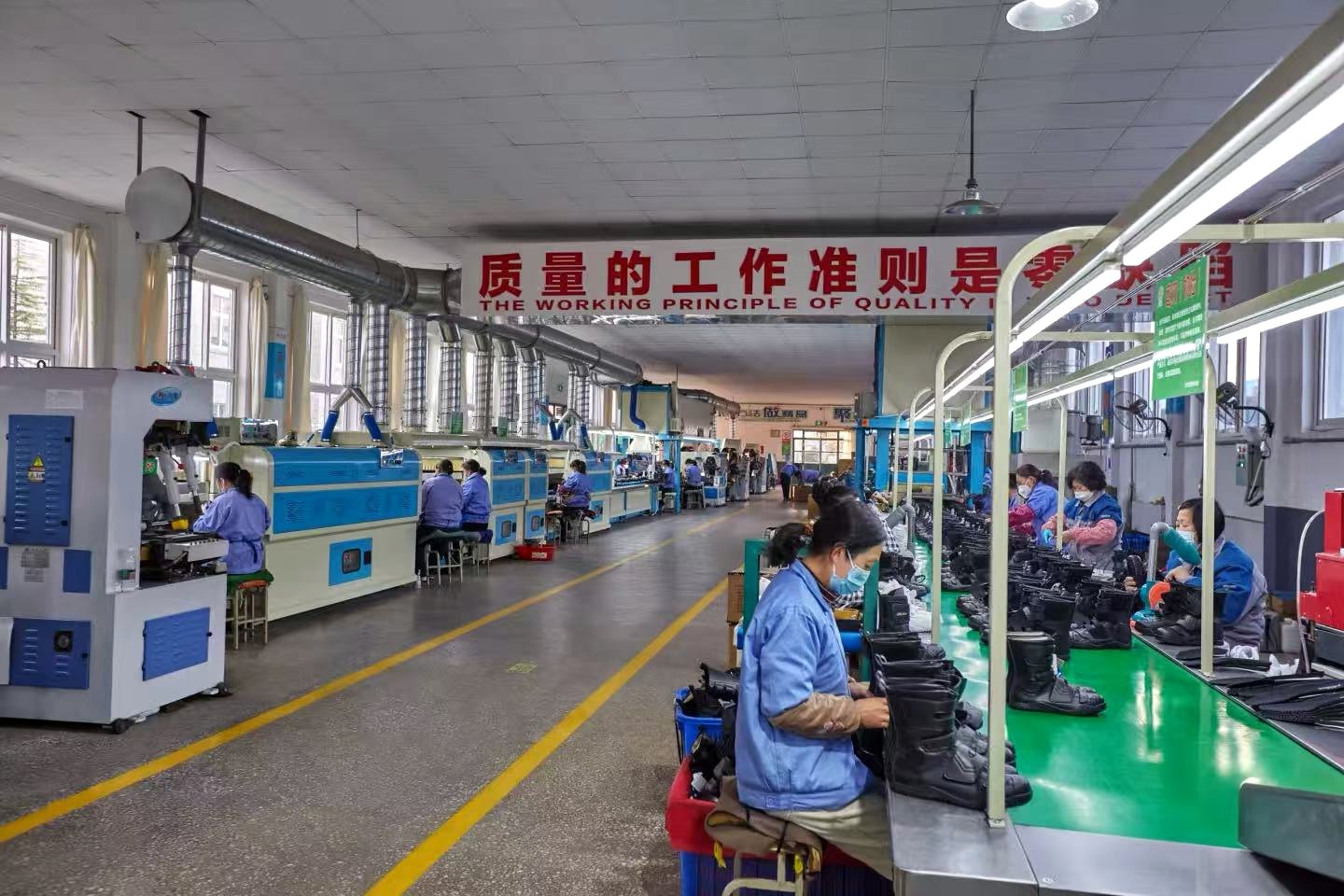
A manufacturing-capability audit can examine equipment, workload, process controls, material handling, personnel, and quality-management practices. SGS describes these areas in its vendor-assessment scope. The useful output is a documented view of capability and gaps at the identified site.
Ask what type of audit is being proposed. A technical-capability review, a quality-system audit, and a social-compliance audit have different purposes. A report about working conditions alone is not sufficient evidence that a particular finish, tolerance, or assembly process is under control.
- Match the legal company and production address to your intended supplier.
- List the processes relevant to your product and identify outsourced stages.
- Ask for findings supported by records or observations, not only a score.
- Record corrective actions, who owns them, and what evidence will close them.
A video tour or informal factory visit can help answer preliminary questions, but should not be described as a formal independent audit without the corresponding scope and report. Begin with our supplier-verification guide and Alibaba supplier-versus-factory checklist.
What a product inspection should establish
An inspection compares goods with a defined order specification. Depending on the agreed scope, checks may cover workmanship, dimensions, appearance, quantity, basic function, labels, accessories, and packaging. Intertek describes inspections at several production stages, including final random inspection of finished goods.
A during-production check can give the buyer time to address a repeated defect before the full order is complete. A pre-shipment check addresses finished-order readiness. Neither label tells you the sampling plan, available goods, tests included, or exclusions: those details need written agreement.
Keep the approved sample and written specification aligned. If the sample looks acceptable but the drawing requires a different dimension, the inspector needs a clear order of precedence. Record any inaccessible stock, unfinished units, or unavailable equipment in the report.
What product testing should establish
Testing produces results for defined samples and methods. It may address material composition, performance, durability, chemical content, electrical characteristics, or other relevant properties. Intertek's testing overview covers products, components, and raw materials as distinct testing subjects.
Ask the laboratory to identify the appropriate test plan for the actual product, intended use, and destination market. A supplier's general statement that something is "tested" is not enough to define which characteristic was measured or whether the report applies to your item.
- Identify the exact model, material, colour or finish, component, and relevant revision.
- Agree who selects the samples, how they are labelled, and how their origin is recorded.
- Confirm methods, test quantities, possible destructive testing, and reporting limitations.
- Check whether the laboratory's current accreditation scope includes the relevant activity.
ILAC's guide to its mutual recognition arrangement specifically advises users to check the current scope of laboratory and inspection-body accreditation. An accreditation logo alone is not evidence that every offered test is covered.
Testing and certification are also different. A test report is not automatically a product certification, permission to use a certification mark, or approval for every market. Intertek explains why certification extends beyond a test result; the applicable scheme determines the additional requirements.
Choose the next check by the unresolved question
| Your unresolved question | Useful next step | What to define first |
|---|---|---|
| Does this supplier actually perform the key production process? | Entity and operating-role checks, then a targeted capability audit if needed | Site, process, equipment, subcontracting, and evidence required |
| Will the material meet a specified performance target? | A suitable test plan using representative, traceable samples | Material revision, method, conditions, and pass criteria |
| Are the finished goods consistent with the approved order? | An order-specific inspection | Lot, specification, approved reference, sampling, and defect rules |
| The supplier sent a report for a similar item. Does it apply? | Review report authenticity and applicability with its issuer | Model, materials, variants, methods, dates, and scope |
| A repeated assembly defect appeared mid-production. | Investigate the cause, agree corrective action, and verify the affected goods | Batch traceability, containment, rework, and recheck criteria |
For a first order, you may need more than one type of evidence, but a small brand does not need to buy every available service automatically. Prioritise the question that could invalidate the next commitment; do not omit a mandatory product requirement merely because the order is small.
A practical sequence from supplier to shipment
- Write one controlled product brief. Include the intended use, destination, specification revision, approved references, packaging, and unresolved questions.
- Verify who will do the work. Identify the supplier, actual site, critical outsourced stages, and the reason for any additional audit.
- Resolve design and material questions early. Ask a suitable laboratory which checks should precede tooling or production approval. Coordinate samples without treating a prototype result as proof about all future goods.
- Agree the production inspection plan. State timing, order availability, reference documents, sampling, on-site checks, reporting, and who reviews deviations.
- Review the evidence before the agreed release point. Set report-review and corrective-action milestones in the purchase agreement. Do not assume an inspector has authority to stop a shipment.
- Keep changes traceable. If material, finish, component, site, or process changes, review with the relevant specialist whether existing evidence still applies and whether another check is needed.
Plan sample-making and laboratory work separately when reviewing sample cost and lead time. Treat shipping responsibilities as another decision: EXW, FOB, and DDP do not replace a product-verification plan.
Before booking an audit, inspection, or test
- Purpose: which decision will the result support?
- Identity: which company, facility, order, lot, model, or samples are covered?
- Criteria: which document revision, method, limits, and exclusions apply?
- Provider: who performs the work, and is the relevant competence or scope confirmed?
- Access: are the goods, records, samples, people, and equipment actually available?
- Commercial scope: what is included in the quote, including travel, sample shipping, additional tests, rechecks, and reporting?
- Action: who reviews findings, approves deviations, requests correction, and authorises release?
There is no responsible universal price or turnaround promise for these services. Ask for a quotation against the same written scope and confirm dependencies before relying on a delivery date.
Common mistakes that leave buyers exposed
- One report used for every question. Capability evidence, batch conformity, and test results do not substitute for each other.
- A similar product treated as an exact match. A different material, coating, component, or design can change what a report supports.
- A pass accepted without reading limitations. Check unavailable items, omitted tests, sample identities, and any conditional conclusion.
- Checks booked after the decision they were meant to inform. Leave room to investigate findings rather than treating a sailing date as automatic approval.
- Corrective action claimed without verification. Ask what changed, which goods were affected, and how the correction was checked.
Frequently asked questions
Does an audited factory guarantee a good order?
No. An audit describes the assessed scope and findings at a particular time. Your specification, production controls, and order-specific evidence still matter.
Can an inspector carry out tests at the factory?
Some inspections include agreed measurements or functional checks. Ask which method and equipment are used. Do not assume those checks replace specialist laboratory work outside the inspection scope.
Can I reuse a supplier's existing laboratory report?
Possibly, if its authenticity and applicability are established. Ask the issuer or an appropriate specialist to review the actual model, materials, variants, test methods, and intended use before relying on it.
Does Linkbase operate a laboratory or an in-house inspection team?
No such capability is claimed here. Linkbase supports supplier communication, product requirements, sampling, and project coordination. Any formal audit, independent inspection, laboratory work, or certification needs a separately agreed scope with a suitable provider.
Sources and further reading
- SGS: Vendor Assessment and Technical Audit
- Intertek: Inspection Services for Products and Retail
- Intertek: Testing
- ILAC: The ILAC Mutual Recognition Arrangement (PDF)
- ASQ: Acceptance quality limit and acceptance sampling definitions
- Intertek: The real value of certification beyond the certificate
Sources reviewed October 19, 2026. This is general sourcing guidance, not a product-specific testing or compliance plan. Applicable requirements and recognition of reports depend on the product, market, and relevant scheme.
Unsure which check you need?
Start with the question your next decision depends on.
Share the product, intended market, supplier status, and the uncertainty you need to resolve. Linkbase can help organise supplier-side information, sample requirements, and the questions to discuss with a suitable audit, inspection, or testing provider.